Executive summary
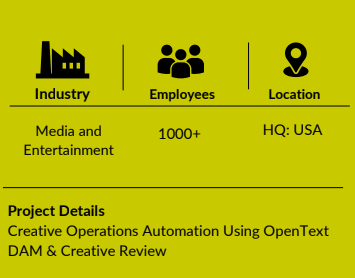
A leading comic book publisher with over 1,000 employees sought to modernize its content production lifecycle.
The existing publishing process was heavily manual, lacked visibility, and struggled with asset tracking and collaboration.
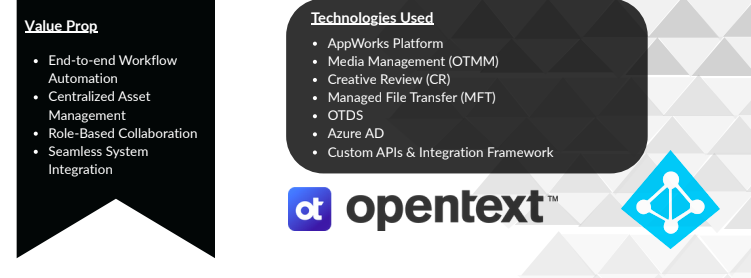
A custom workflow system was implemented to automate the end-to-end publishing process, enhance asset management, and streamline communication, enabling a seamless experience for internal and external contributors.
Challenges
The organization faced inefficiencies due to a fully manual publishing workflow.
Asset tracking was unreliable, with files stored across scattered network drives. Communication occurred mostly over email, causing delays and mismanagement.
Collaboration between teams was hindered, tasks were not clearly assigned, and no unified platform existed for tracking progress or reusing digital content.
Objectives
The primary goal was to centralize and automate the entire publishing workflow.
This included integrating a robust Digital Asset Management (DAM) system, implementing task and user management capabilities, enabling digital review and approvals, and supporting role-based authentication for both internal and external users.
The solution aimed to drive efficiency, visibility, and control throughout the creative lifecycle.
Results
- Streamlined Publishing Operations: Automated end-to-end workflows reduced manual effort, eliminated the need for intermediary steps, and ensured smoother content movement across teams.
- Centralized Asset Management: Digital assets are now securely managed in a centralized DAM system, replacing scattered network drives and minimizing asset loss.
- Enhanced Collaboration & Review: Built-in digital review tools, comment features, and creative approval workflows improved internal and external collaboration.
- Real-Time Task Tracking: Task management features enabled clear ownership, due-date tracking, and visibility across the publishing lifecycle.
- Unified User Experience: A single responsive portal with role-based authentication offered a consistent interface for knowledge workers and external contributors.